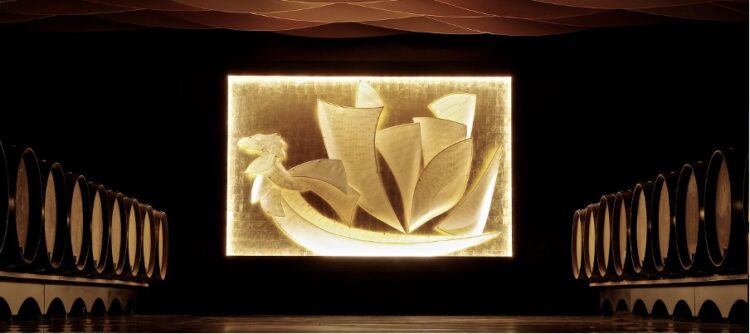
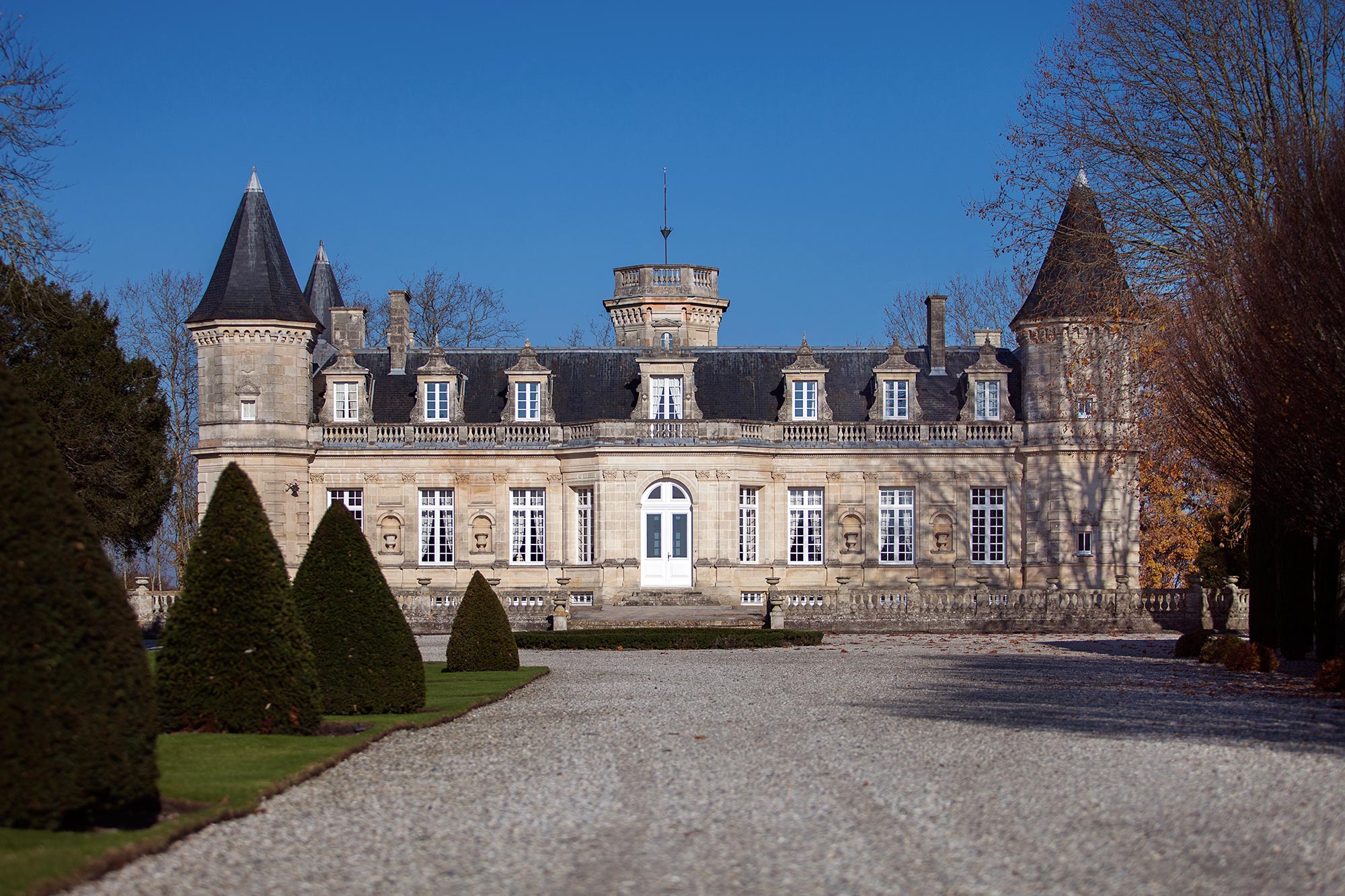
Château Beaumont is a large Cru Bourgeois estate in the Haut-Médoc which can trace its history back to 1824. Located between St Julien and Margaux, Château Beaumont has 113 hectares of vineyards. It aims to produce a rich and crowd-pleasing wine. They have hired consultant Eric Boissenot, a renowned oenologist in Bordeaux who is involved in many estates, in order to do so and the results are promising.
The History of the Estate:
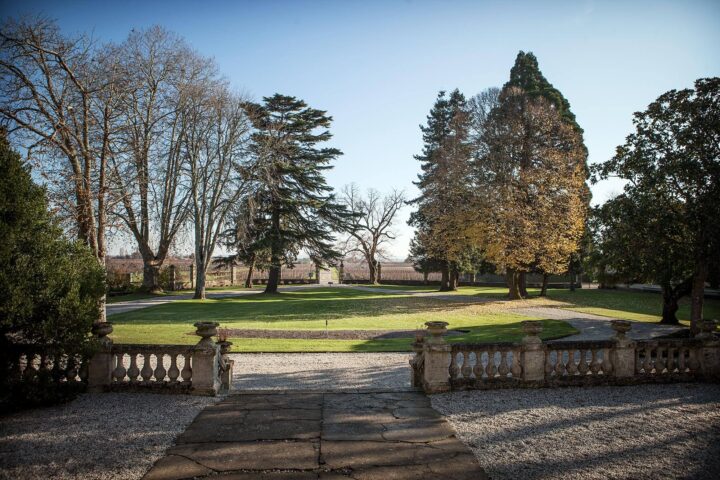 Cleared in 1772, the estate became the property of Henri Labarthe, who cleaned it up and prepared it for vine growing. The Beaumont vineyard was created in 1824 by its new owner, Monsieur Bonnin. From 1830 to 1847, the Maison de Beaumont belonged to the Marquis d’Aligre, one of France’s greatest fortunes, who tripled the size of the vineyard. In 1849, the estate passed into the hands of the Bonnin brothers, who built Château Beaumont in 1854. They were succeeded in 1890 by the Parisian industrialist Joseph Germain. Through his devotion, he succeeded in elevating the wines of Château Beaumont to the top rank of Médoc Crus Bourgeois.
After several handovers of the vineyard, in 1986 Château Beaumont began its twelfth life with the arrival of the GMF group, which joined forces with the Japanese Suntory group to create Grands Millésimes de France, which also owns Château Beychevelle and Bordeaux wine merchant Barrière Frères.
The Terroir:
 Situated on the left bank of the Gironde, between the communes of Margaux and Saint-Julien, Château Beaumont draws its finesse and delicacy from the deep gravels of the best Haut-Médoc soils. The château has opted for integrated wine production in accordance with the Terra Vitis specifications, with the aim of producing quality grapes with the greatest respect for the environment.
With a surface area of 113 hectares, the average age of the estate’s vines is 20 years. The grape varieties are typical of the appellation, with 53% Cabernet Sauvignon, 42% Merlot and 5% Petit Verdot. The château produces between 600 and 700,000 bottles each year.
The Wines:
Blossoming on gravelly hilltops, the Cabernet Sauvignon gives the wine structure, the Merlot smoothness and the Petit Verdot brilliance. A rigorous selection of grapes produces wines that are delicious and full of charm. The nose is full of fresh red and black fruits with subtle hints of spice. The palate is beautifully balanced, with stunning rich black fruits and full, fine and ripe tannins.
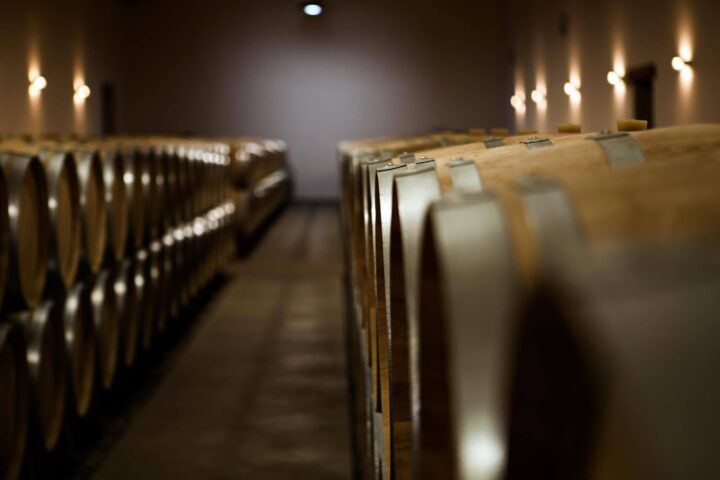 Château Beaumont wines can be enjoyed young or cellared for up to fifteen years, when they will reveal their full complexity.
To achieve the best balance in their wines, they use only gentle, selective methods to extract colour, tannins and aromatic compounds. The wines are matured in French oak barrels for 12 to 14 months, with one-third of the barrels replaced each year. The château wants to prevent the aromas brought on by the new wood from overpowering the fruit aromas brought on by the grapes.
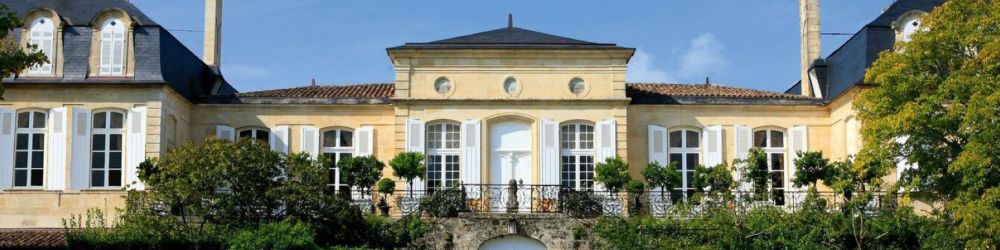
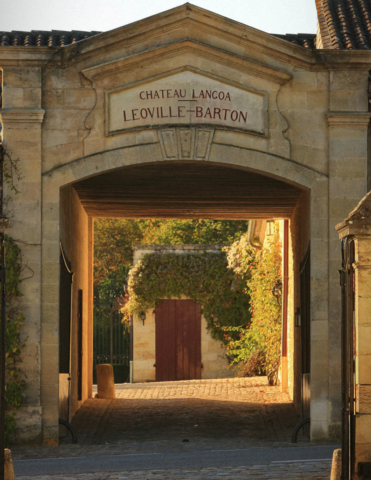 In 1725, Thomas Barton left his native Ireland to settle in Bordeaux and set up a wine trading company. In 1821, Pierre-Bernard de Pontet sold the Langoa estate to Hugh Barton, who renamed it Château Langoa Barton, and 5 years later, in 1826, Hugh bought a quarter of the former Léoville estate, whose break-up was due as much to the French Revolution as to a complex succession. In buying what was to become Léoville Barton, Hugh acquired only vineyards, but he had no need for wine-making facilities, as he already owned those at Langoa. In the historic classification of 1855, Léoville Barton was awarded the title of ‘Second Cru Classé’.
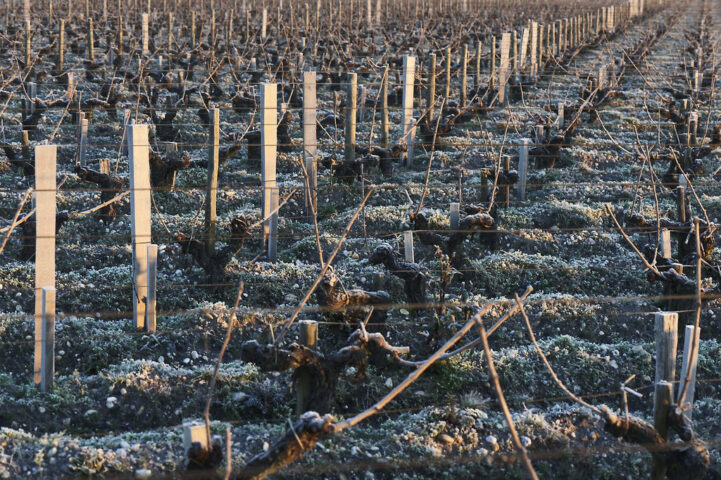 The plots that make up the terroir of Château Langoa Barton ‘look out’ over the river. The mild temperatures resulting from this proximity mean early ripening, often a guarantee of quality. The 20 hectares of Château Langoa Barton, planted in gravel on a clay subsoil, are planted with the following grape varieties: 54% Cabernet Sauvignon, 35% Merlot and 11% Cabernet Franc. The average age of the vines is 37 years, and the oldest parcel dates to 1953. Since 2012, over 15% of the estate has been farmed organically, without the use of synthetic products.
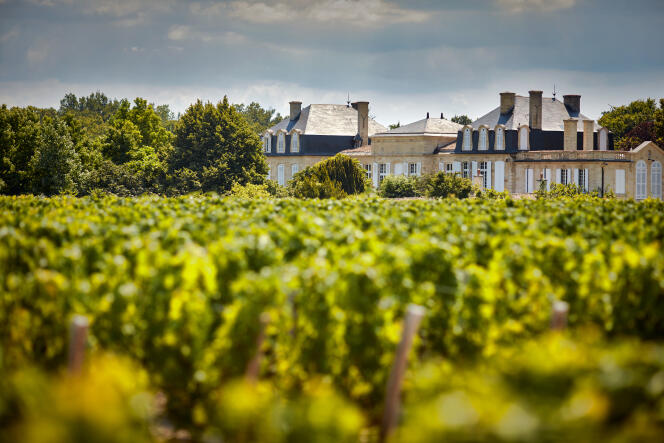
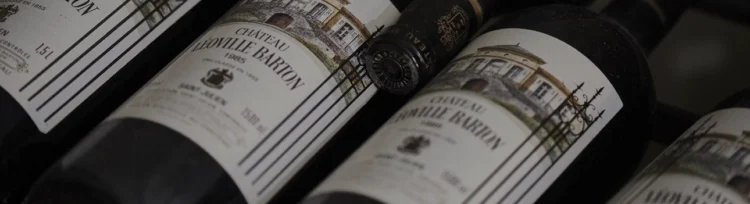

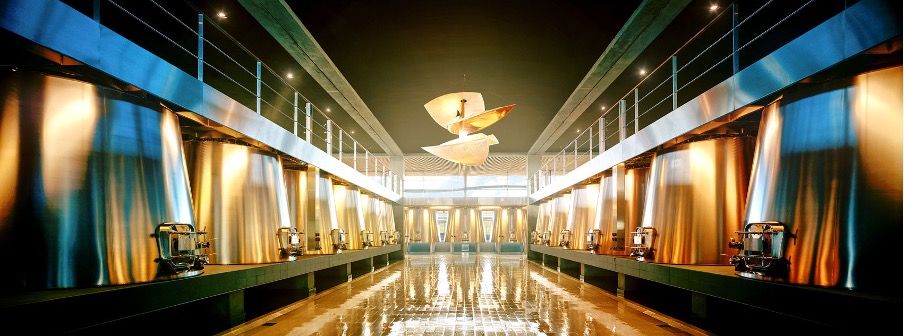
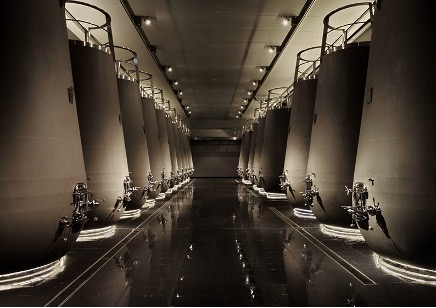 The origins of the château trace back to the 12th century when the domain was a Benedictine priory, from which it derives its name. Over the centuries, it changes hands, each owner contributing to its development and renown. However, it is in the 19th century, under the direction of the renowned Bordeaux merchant Alexis Lichine, that the estate gains worldwide recognition. Alexis Lichine brings his expertise and know-how to the vineyard, modernizing the facilities and elevating the quality of the wines produced. In 2012, the estate acquired 34 new temperature-controlled concrete vats ranging from 80 to 120 hectolitres.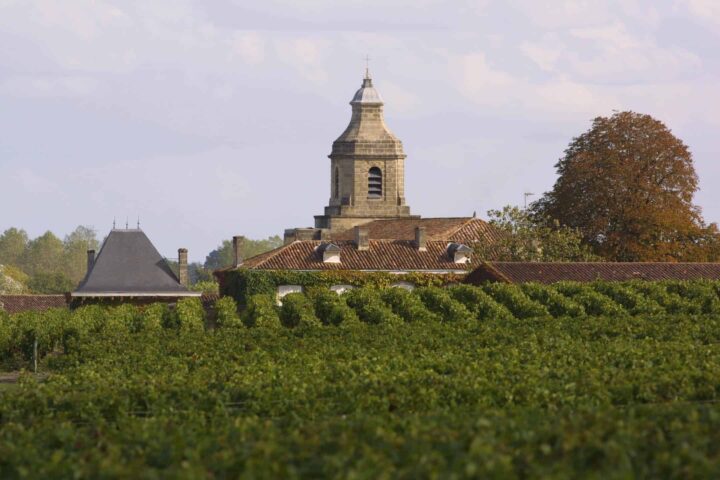
 The Wines: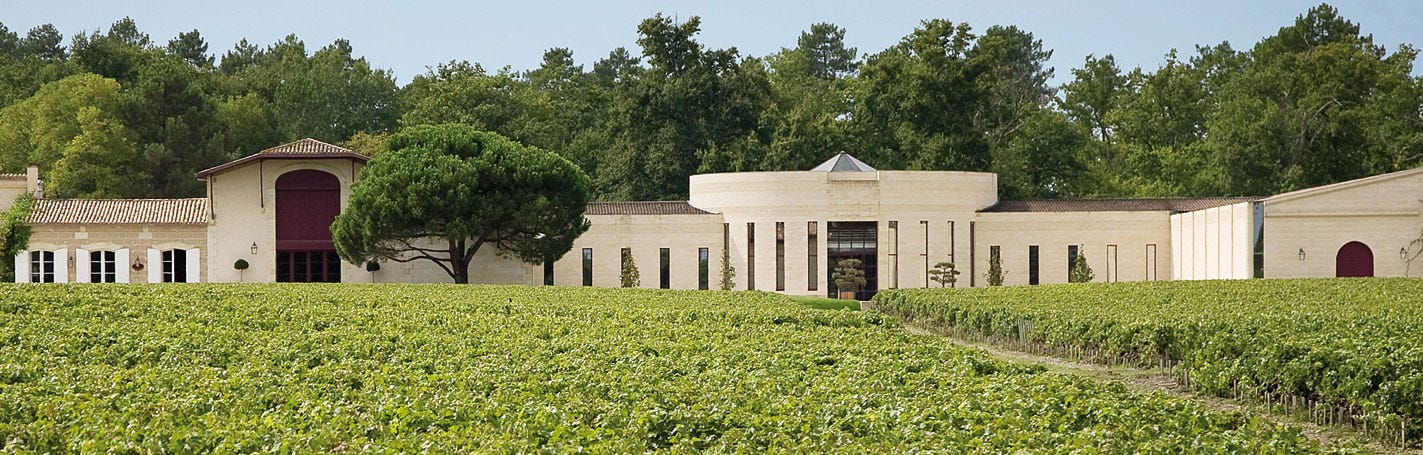
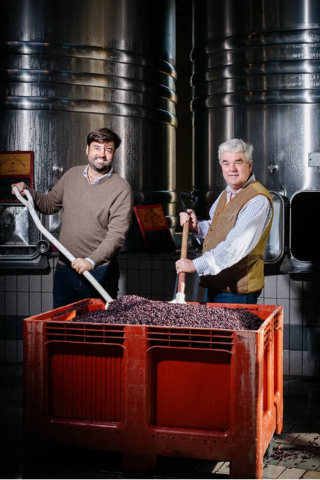 We have to go back to the middle of the 16th century to find the first traces mentioning the existence of a farm on the site of the current estate. At that time, it belonged to the Lalanne family, founders of the estate. They ruled here for more than two centuries.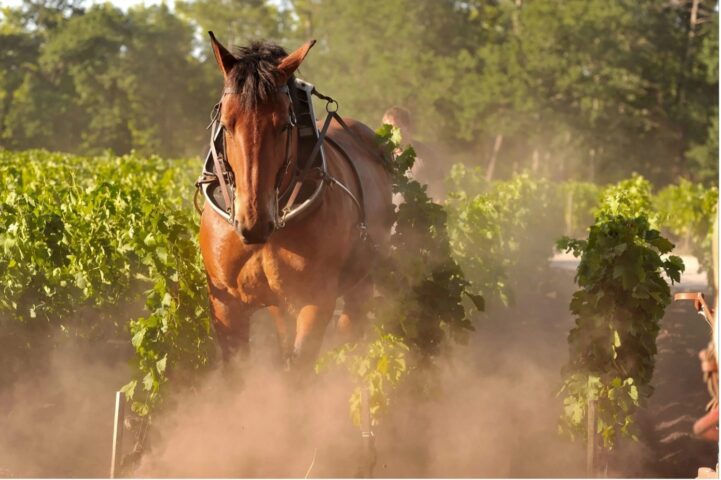
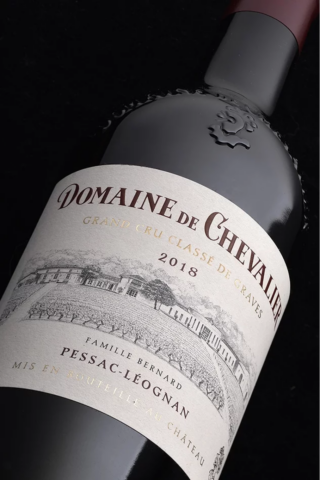 Made from a blend of 55% Cabernet Sauvignon, 40% Merlot, and 5% Cabernet Franc, the wine is fermented in temperature-controlled, stainless steel vats and then matured in oak barriques (50% new) for 18 months.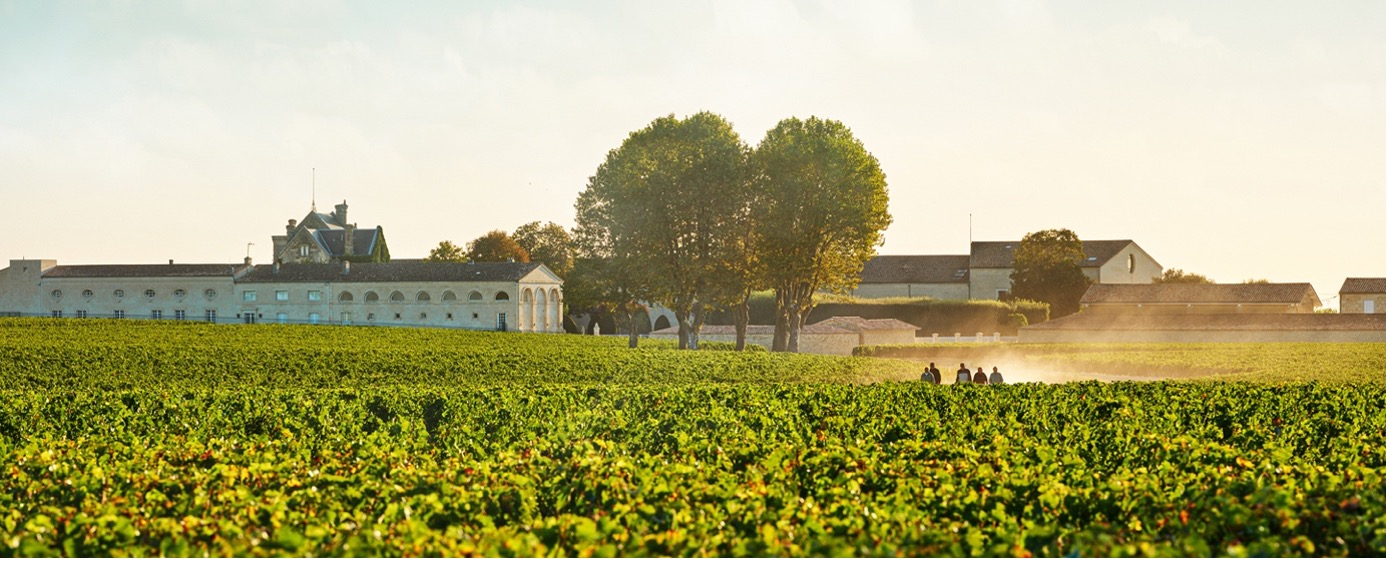
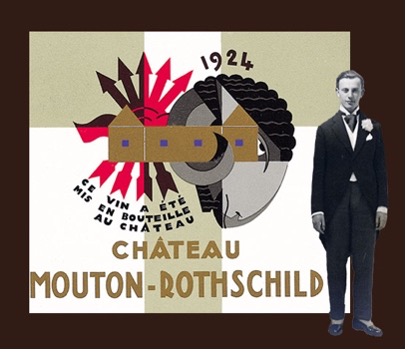 In 1924, he decided to commission Jean Carlu to illustrate the vintage label, but this was not followed up in subsequent years. The decision to bottle the wine at the château meant that the storage space had to be enlarged. This led to the construction of the great Mouton cellar in 1926, a 1OO meters long building designed by the architect Charles Siclis.
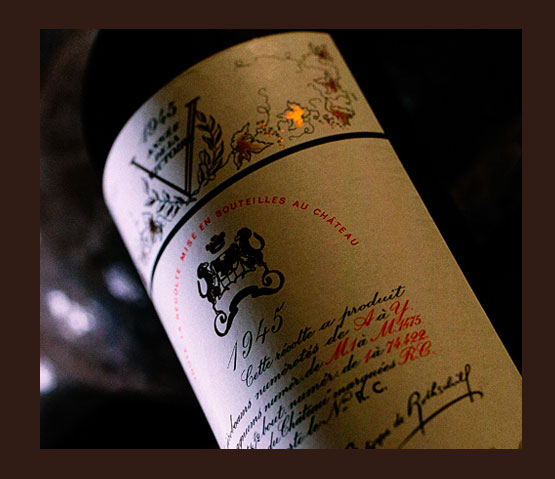 In 1973, Jacques Chirac, then Minister for Agriculture, signed a decree granting Mouton the rank of Premier Cru Classé. In 1988, after Philippe death, the Baroness Philippine de Rothschild take the lead of the vineyard with her three children: Camille, Philippe and Julien. The first vintage of white Aile d’Argent is produced on the estate in 1991. This wine is issued from 7 hectares of white grapes planted in the early 80’s. Then comes the first vintage of the second wine in 1993: Le Petit Mouton de Mouton Rothschild. Made from the youngest vines in the vineyard, but with the same attention to detail as for the Grand Vin. Philippine dies in 2014, leaving the lead to her three children working all together to perpetuating the heritage of a prestigious estate.
 The Mouton Rothschild vineyard is planted on very deep gravel. The grape varieties are typical of the region: 81% Cabernet Sauvignon, 15% Merlot, 3% Cabernet Franc and 1% Petit Verdot. The terroir of Château Mouton Rothschild is one of the most prestigious in Bordeaux. Located in the Médoc, the vineyards are subject to an oceanic climate. It is surrounded by the Atlantic Ocean to the west and the Gironde estuary to the east. The soils are mainly gravel. Made up of pebbles and gravel that retain the sun’s heat, there is also sand, some of it clayey.
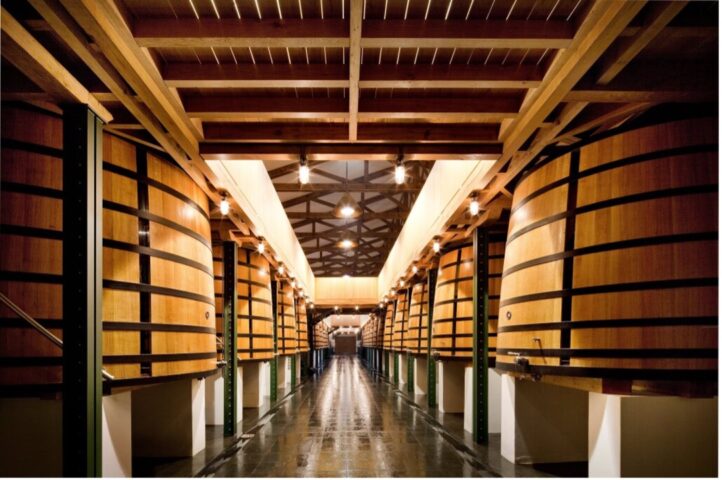 Cabernet Sauvignon is still the predominant grape variety in the Grand Vin blend. It gives Mouton its rich tannins, broad aromatic palette and capacity for aeging. The inseparable Merlot adds suppleness, roundness and exceptional length. The grapes are harvested by hand and then sorted by hand to select the best bunches. The grapes are gravity-fed into the vats so that the fruit is subjected to as little pressure and stress as possible. The oak vats (44) of different sizes allow for parcel-by-parcel vinification. In this way, each piece of land can express itself individually. Stainless steel vats (20) are also used in the wine-making process. The wine is matured in new oak barrels. Special care is taken to monitor the wine’s development.
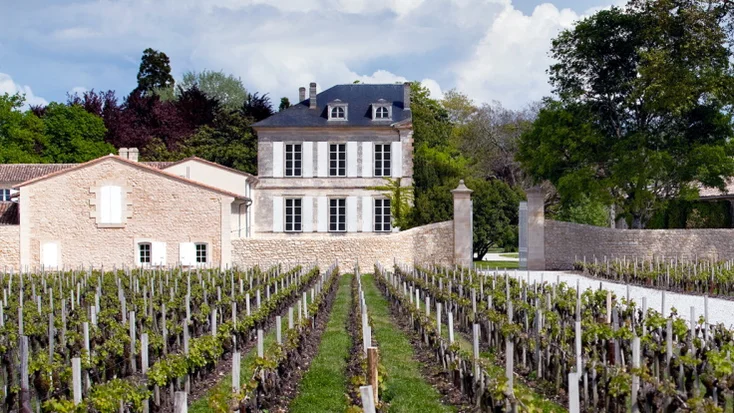 Chateau d’Armailhac was originally named after the two brothers who owned the plot of land in Pauillac in 1680, with a descendant then taking the opportunity to plant the land with vines during the ‘planting frenzy’ that swept through the Medoc in the mid-1700’s. The vines were spread over a sizeable 16-hectare plot at this time.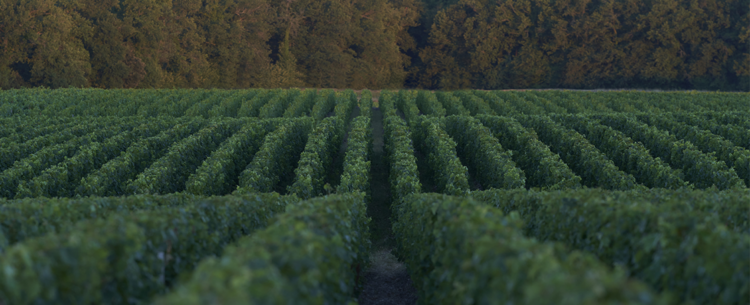
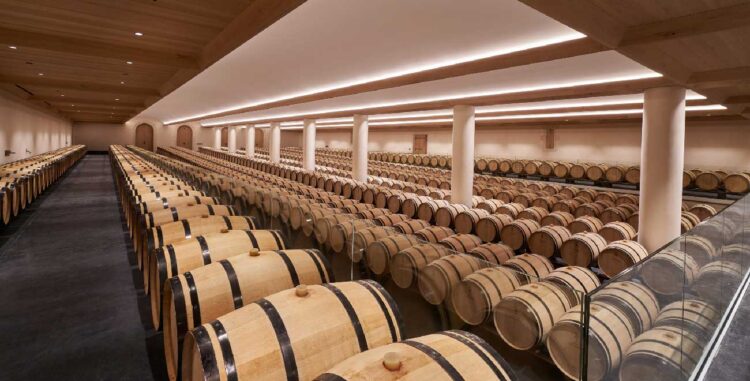

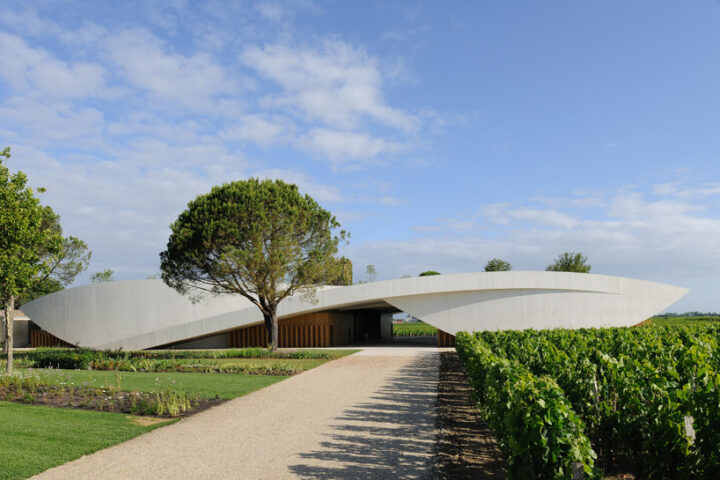 As far back as the 15th century, ancient texts bear witness to the existence of vines cultivated at Cheval Blanc. Archives dating from 1546 reveal that the owner of the land leased the vines. The prestigious career of Cheval Blanc began in 1832 with the purchase of the heart of the estate by Jean-Jacques Ducasse, president of the Libourne court. Over the next twenty years, successive purchases of plots from Château Figeac led to the creation of the Cheval Blanc estate, whose 39-hectare parcel has remained virtually unchanged ever since.
 In 1862, Cheval Blanc won its first medal at the Universal Exhibition in London. And in 1878, the Château won its first gold medal at the Paris Universal Exhibition. These bronze medals still adorn the Cheval Blanc labels. The 1880s saw Cheval Blanc’s greatest dreams come true. It rubbed shoulders with Margaux, Latour, Lafite and Haut-Brion at auctions in Paris and London.
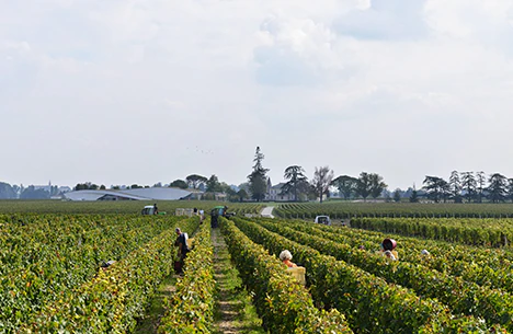 Located in the commune of Saint-Emilion, but bordering on Pomerol, the estate covers 39 hectares divided into forty-five parcels, each of which is a small vineyard with its own unique identity. Three major soil types coexist here, forming a veritable mosaic. A singular terroir, composed essentially of coarse clay and gravel on some plots, finer and sandier on others. Some properties in Saint-Emilion have excellent gravelly soils; others, in Saint-Emilion or Pomerol, have very good clay soils. It is a pure coincidence of history that at Cheval Blanc, these two types of soil coexist in roughly equal proportions.
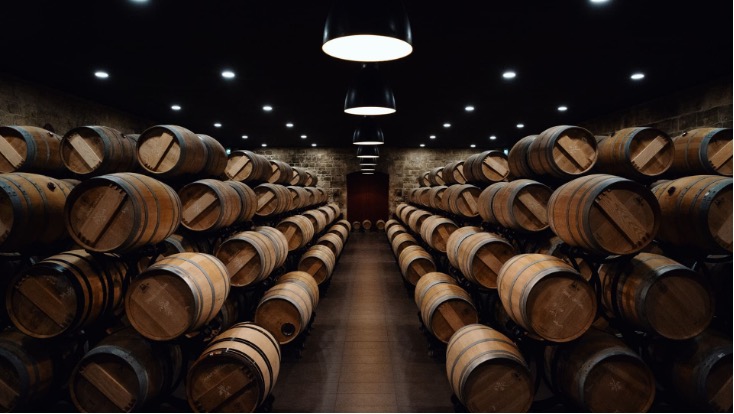
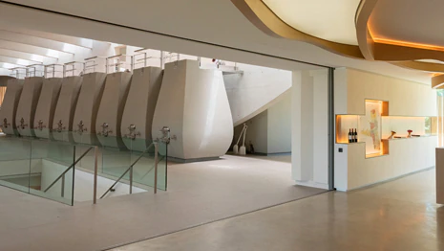 The tanks are filled by gravity, without pumping. At the end of autumn, once the vinification process is complete, the wine spends between sixteen and eighteen months in the cellar basement, where the long rows of barrels are kept at a constant temperature of 14°. Each vintage is aged in 300 to 450 barrels. The aim is to create the finest Cheval Blanc, respecting both the unique personality of the vintage and the Cheval Blanc style: freshness, elegance, finesse, length and balance.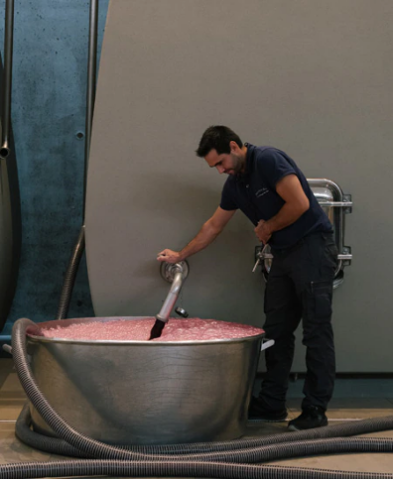
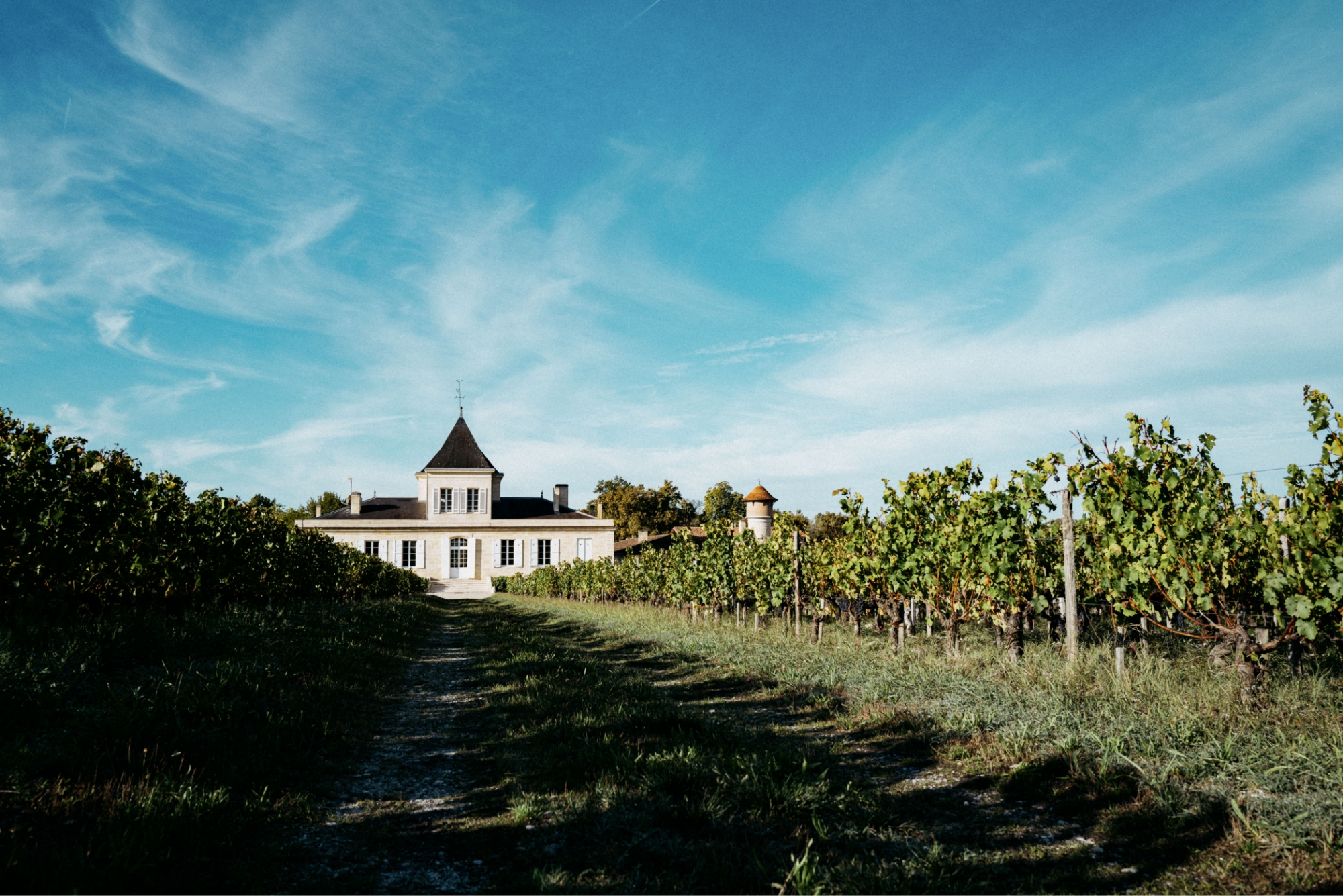
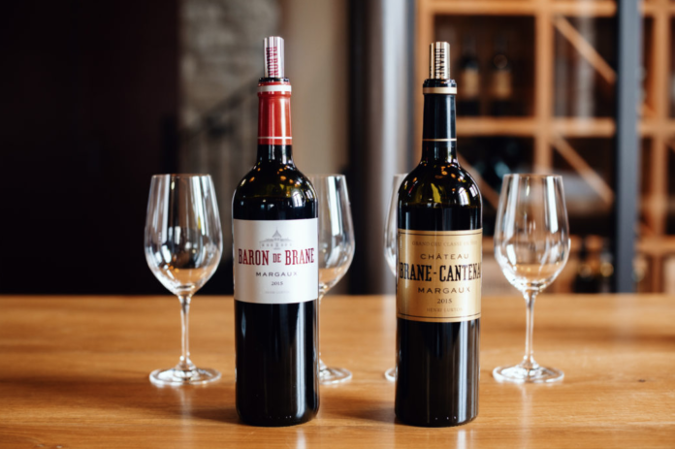
 Born in the XVII century, the estate produced already one of the best wines in the Medoc. Considered as part of the best Grands Crus, he is classified 2ème Grand Crus in 1855. The vineyard become owed by the Lurton family right after the first world war. François Lurton passed the estate to his second son, Lucien, in 1954. Lucien Lurton is an engineer and technician in winemaking, passionate by the history of wine. He will participate for the renowned of Brane-Cantenac and 11 other estates including 6 Grands Crus. He will give these vineyards to his 11 children in 1992.